




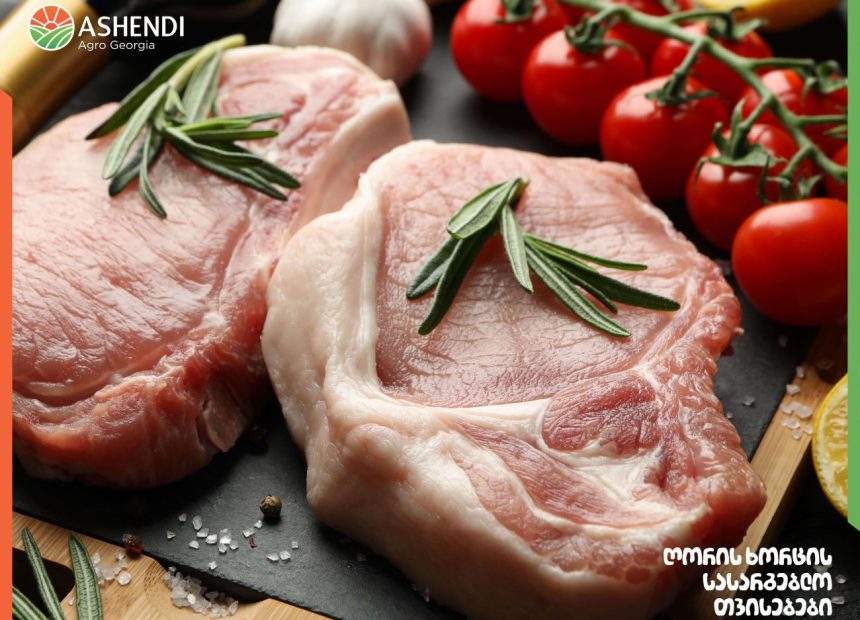
Key Findings from Recent Research
- Pork continues to be recognized as a rich source of high-quality protein and essential micronutrients including B-vitamins, iron, selenium, and zinc — nutrients crucial for metabolic and neurological health.
- A 2025–2026 study showed that lean pork consumption post-exercise resulted in greater muscle growth response compared with higher-fat pork of equal protein content.
- A 2026 randomized feeding trial showed including minimally processed pork in plant-forward dietary patterns helped older adults maintain muscle strength and improved biomarkers linked to metabolic and brain health — suggesting pork can be part of healthy aging diets.
Nutritional Takeaways
- Pork provides complete proteins that support muscle synthesis and repair.
- Quality B-vitamins assist in energy metabolism and brain function.
- Minimally processed lean pork is preferable for long-term health vs. processed options.
Scientific Context
- Though pork has positive nutritional profiles, most dietary guidelines emphasize moderation and careful selection of lean, minimally processed products to mitigate risks associated with red meat consumption.